Underwriting begins with the property
Updated October 1, 2026
Provenial combines Texas transaction records, relevant comparable sales, property facts, condition, and occupancy to price residential, land, and commercial acquisitions.
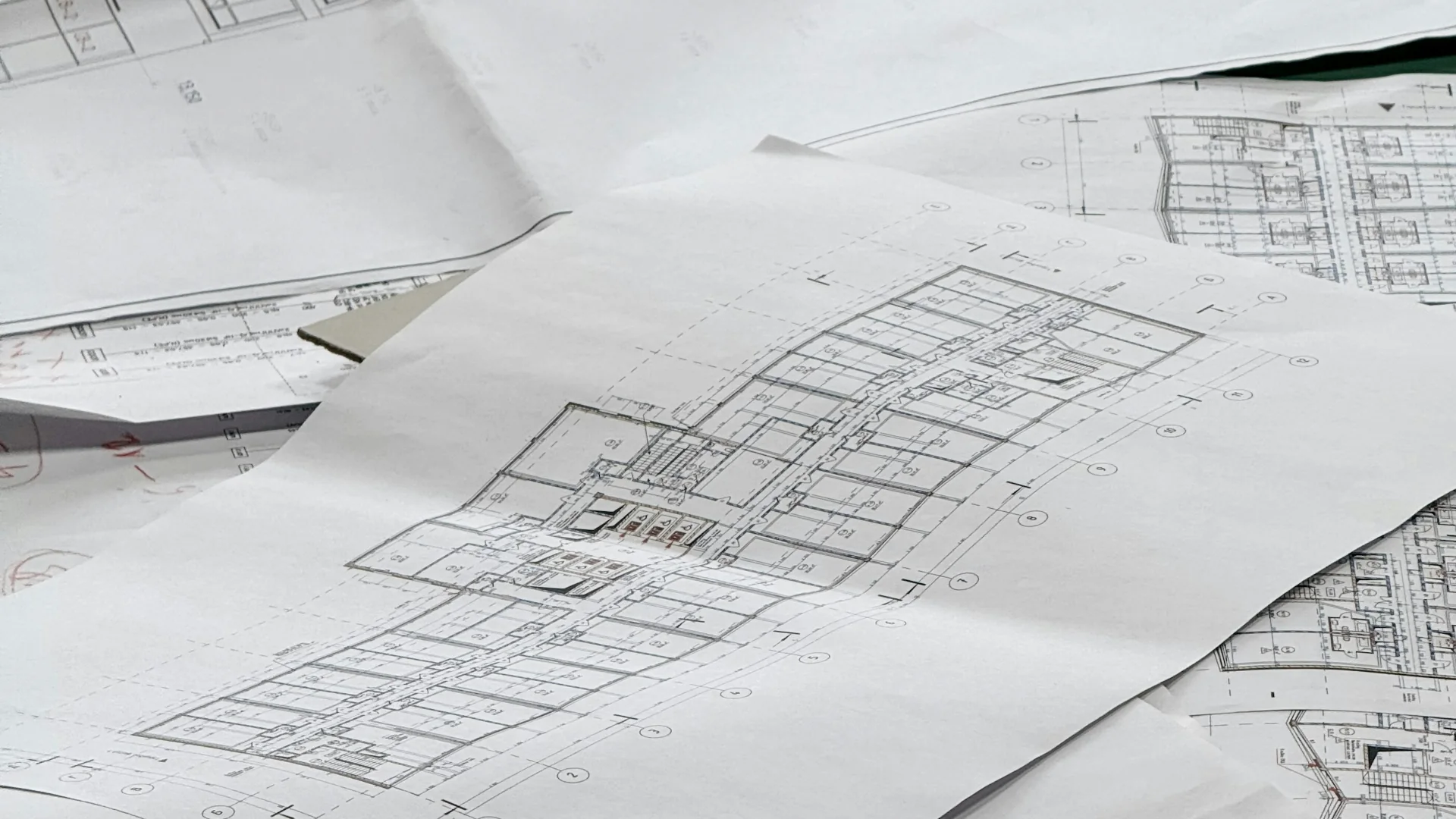
Provenial underwrites against 257,188 recorded Texas transactions. That market history provides context for property-specific acquisition decisions.
How data and judgment set the price
We value recent neighborhood sales, accurate property facts, current condition, occupancy, and transaction context.
Our proprietary data and acquisition logic stay inside the firm. Owners, brokers, and deal sources see the information we need for a property-specific review.
Five parts of residential underwriting
Identify the property
Address, property type, living area, lot size, beds, baths, year built, and additions establish the subject.
Review market evidence
Recent neighborhood sales provide context for the property.
Review condition and occupancy
Repairs, photos, disclosures, access, tenancy, leases, and rents complete the current property picture.
Review transaction facts
Asking price, representation, contract status, title, access, diligence, and timing are part of the transaction review.
Make the acquisition decision
We review the opportunity, set a proposed price, and decide whether to make an offer.
What we look at
| Signal | Why it matters | What to provide |
|---|---|---|
| Public records | Recorded attributes establish the starting profile and transaction history. | Current facts, renovations, additions, conversions, and condition. |
| Comparable sales | Recent neighborhood sales provide market context for the property. | The address and any relevant sale information. |
| Condition | Physical condition affects value, capital needs, access, and timeline. | Current photos, disclosures, repair details, and property access. |
| Occupancy | Occupancy affects access, leases, documents, and timing. | Current occupancy, lease data, rents, and access details. |
| Transaction facts | Title, representation, access, documents, and timing are part of the review. | Share the property and proposed transaction terms together. |
How does Provenial use automation?
Automation organizes records and comparable sales. Provenial's acquisitions team makes each pricing decision.
How are 257,188 records used for one house?
The Texas dataset provides market context. Each property is reviewed against relevant neighborhood sales and its current facts.
Can Provenial provide a property valuation?
Send the opportunity. We review the address, the property's condition and occupancy, and the comparable sales around it.
Why does occupancy matter?
Occupancy affects access, documents, leases, and timing. Send current occupancy and complete lease data.
What makes a comparable sale relevant?
Relevant comparable sales reflect similar location, property type, size, age, lot, condition, and transaction context.
Submit a property
Start with the address, target price, physical facts, condition, occupancy, transaction role and requested timing.
View the submission screen